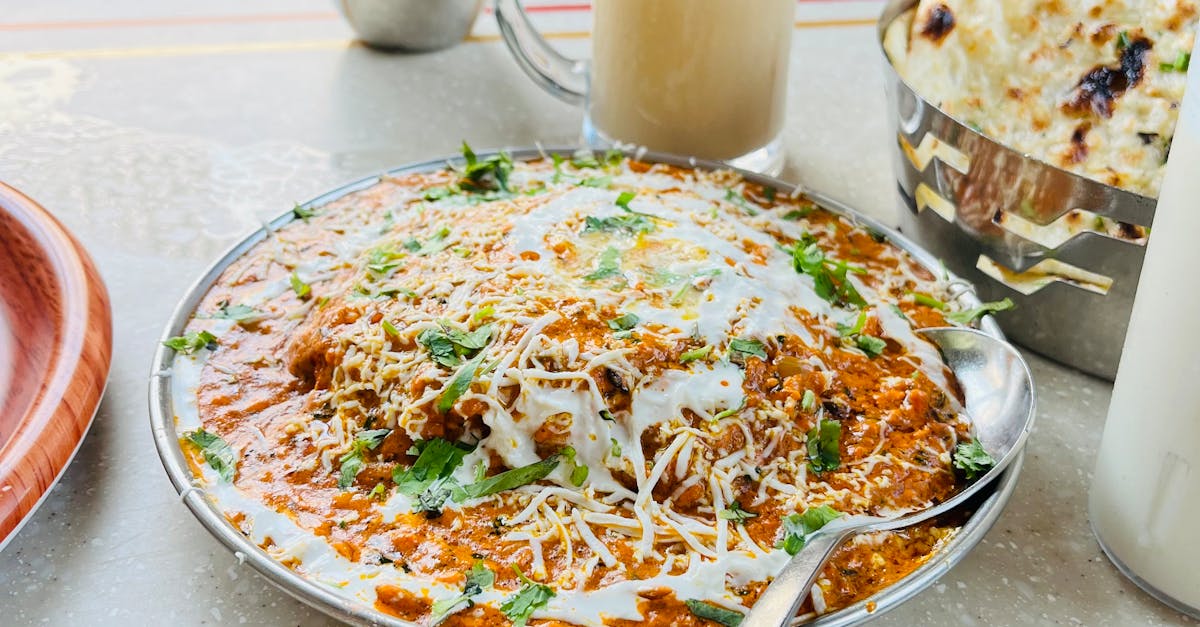
Assessing Portion Sizes Relative to Pricing at Indian Restaurants in Melbourne
Table Of Contents
Customer Perceptions of Portion Sizes
Customers at Indian restaurants in Melbourne often have strong opinions about portion sizes based on personal expectations and cultural backgrounds. Many diners anticipate generous servings, as Indian cuisine is frequently associated with abundant platters filled with rich curry dishes, rice, and bread. When portions fall short of these expectations, customers may feel dissatisfied, regardless of the quality of the food. This perception can significantly impact their overall dining experience, leading to discussions among friends or reviews on social media, which ultimately shape the restaurant’s reputation.
Additionally, pricing plays a critical role in shaping customer perceptions of portion sizes. A higher price tag with a modest portion can lead to feelings of being short-changed, creating a negative correlation between cost and satisfaction. On the other hand, when customers receive ample servings at a reasonable price, they are more likely to feel value for their money. This balance between portion size and pricing is essential for appealing to patrons who often weigh these factors heavily in their dining decisions.
Dining Experience and Satisfaction
A well-planned dining experience can significantly impact customer satisfaction at Indian restaurants. The atmosphere, service quality, and presentation of dishes all play vital roles in how patrons perceive their meal. When the portion sizes align with price expectations, diners tend to feel more satisfied with their overall experience. They are more likely to enjoy their meals, appreciate the value provided, and engage in positive conversations about the establishment.
Respecting cultural traditions in food presentation enhances the overall experience as well. Many diners look for authenticity in their Indian cuisine, which includes not only flavour but also portion sizes that reflect traditional practices. These expectations can influence diners’ perceptions of fairness in pricing. A generous serving of authentic dishes may encourage patrons to return, knowing that they can enjoy a satisfying meal that feels both enjoyable and worthy of their investment.
Cultural Influences on Portion Sizes
Different cultures bring their unique perspectives on food and dining, influencing how portion sizes are perceived and served. In Indian cuisine, communal eating is a significant aspect, where dishes are designed for sharing. This tradition often results in larger portion sizes, encouraging diners to partake in a variety of flavours. The emphasis on community and hospitality shapes expectations around the quantity of food, leading to a preference for generous servings that reflect cultural values of abundance and generosity.
Melbourne's Indian restaurants may adapt these traditional practices to cater to local tastes. Many establishments incorporate modern interpretations, balancing authenticity with customers' expectations of manageable portions. This blend can sometimes lead to confusion among patrons regarding the correct amount of food. Diners may find themselves considering both the cultural context and their own dining preferences when navigating portion sizes, contributing to a varied dining experience that reflects both heritage and contemporary influences.
Traditional vs. Modern Interpretations
The traditional approach to portion sizes in Indian cuisine often reflects communal dining practices. Meals are frequently designed to be shared among family or friends, encouraging a more generous serving style. Dishes like biryani and various curries are typically prepared in larger quantities, allowing diners to enjoy a variety of flavours. This cultural norm prioritises the experience of sharing food, fostering a sense of togetherness and celebration during meals.
In contrast, modern interpretations of Indian dining in Melbourne may often cater to individual servings and personal preferences. Some restaurants adapt their portion sizes to align with the growing trend of health-conscious eating. This shift can lead to smaller, more visually appealing plates that emphasise presentation over abundance. While this approach may attract a different clientele, it raises questions about the authenticity of the dining experience and how well it aligns with traditional Indian culinary practices.
Meal Types and Their Portion Sizes
In Indian restaurants, meal types vary significantly in portion sizes, with appetisers typically offered in smaller servings to encourage sharing and sampling. Dishes like samosas and pakoras serve as delightful starters, designed to provide a taste of flavours without overwhelming the diner. This not only enhances the communal dining experience but also allows patrons to explore a wider array of flavours before moving onto the main course.
Main courses, on the other hand, are usually more substantial, aiming to be the highlight of the meal. Dishes such as biryanis and curries are often served in larger quantities, reflecting the traditional sharing culture of Indian dining. Desserts frequently come in smaller portions as well, complementing the meal without overwhelming diners after a hearty main. This trend underscores the importance of balance in the dining experience, offering a satisfying conclusion without excessive servings.
Appetisers, Main Courses, and Desserts
A diverse range of dishes characterises Indian cuisine, each category often reflecting distinct portion sizes. Appetisers, such as samosas and pakoras, typically serve as small bites designed to whet the appetite. These dishes often come in sets, allowing diners to sample various flavours without overwhelming their palate. Main courses, on the other hand, are heartier and usually intended for sharing. Meals like biryanis or thalis may feature larger servings, aiming to create a communal dining experience that encourages interaction among guests.
Desserts play a unique role in the meal structure. Indian sweets, like gulab jamun or rasgulla, are usually served in smaller portions, celebrating sweetness in moderation. This contrasts with Western dining practices, where desserts are often substantial. The smaller sizes encourage customers to indulge without feeling overly full, maintaining a balance throughout the meal. Understanding these portion nuances can influence not only customer satisfaction but also their perceptions of value, especially in the context of pricing at Indian restaurants.
FAQS
What factors influence customer perceptions of portion sizes at Indian restaurants in Melbourne?
Customer perceptions of portion sizes are influenced by various factors such as cultural background, previous dining experiences, pricing, and the overall dining context.
How do portion sizes affect dining experience and satisfaction?
Appropriate portion sizes can enhance the dining experience by ensuring customers feel satisfied without being overwhelmed. Customers often associate generous portions with better value, which can lead to higher overall satisfaction.
Are traditional Indian portion sizes different from modern interpretations?
Yes, traditional Indian portion sizes may differ from modern interpretations, as contemporary dining trends often emphasize smaller, shareable portions, while traditional meals are typically more substantial and meant to be enjoyed as a single serving.
How do meal types affect portion sizes in Indian cuisine?
Different meal types such as appetisers, main courses, and desserts typically have varying portion sizes. Appetisers are often smaller and meant to be shared, while main courses are larger and designed to be filling, and desserts can vary significantly based on the dish.
Is there a significant price difference based on portion sizes at Indian restaurants in Melbourne?
Yes, portion sizes can significantly affect pricing at Indian restaurants. Generally, larger portion sizes may come at a higher price, but customers often perceive them as offering better value for money, which can influence their dining choices.
Related Links
Value for Money: Where to Find Affordable Indian Meals in MelbourneUnderstanding Cost vs Quality in Melbourne's Indian Cuisine
Navigating Menu Pricing for Indian Food in Melbourne
The Impact of Seasonal Ingredients on Pricing at Indian Restaurants in Melbourne
Price Comparison of Popular Indian Dishes Across Melbourne Venues
Discounts and Deals: Budgeting for Indian Cuisine in Melbourne
Comparing Fine Dining and Casual Indian Restaurants in Melbourne